“These aren’t just relaxation techniques — they are sophisticated medical therapies used to address real conditions, rooted in a deep understanding of how the body heals itself.”

Cupping & Gua Sha
Ancient therapies rooted in thousands of years of Traditional Chinese Medicine — and increasingly supported by modern science. Cupping & Gua Sha are two of the most powerful tools we have for moving stuck qi and blood, relieving pain, and restoring the body's natural flow.
Where ancient wisdom meets modern healing
If you've ever walked out of a treatment with round marks on your back or a rosy glow on your face, you've experienced the visible magic of cupping and gua sha firsthand. These tools have been central to Traditional Chinese Medicine for thousands of years — and if you're new to them, it's completely normal to be curious about what's actually happening beneath the surface.
The short answer: a lot. Both therapies work by creating therapeutic friction or suction at the surface of the skin to stimulate the body's own healing mechanisms. From a TCM perspective, we're moving Qi and Blood and removing stagnation. From a western perspective, we're increasing microcirculation, reducing inflammation, and releasing fascial adhesions. These aren't competing explanations — they're describing the same process through different lenses.
Cupping —
the art of lifting
—TCM PERSPECTIVE
Moving Qi & releasing stagnation
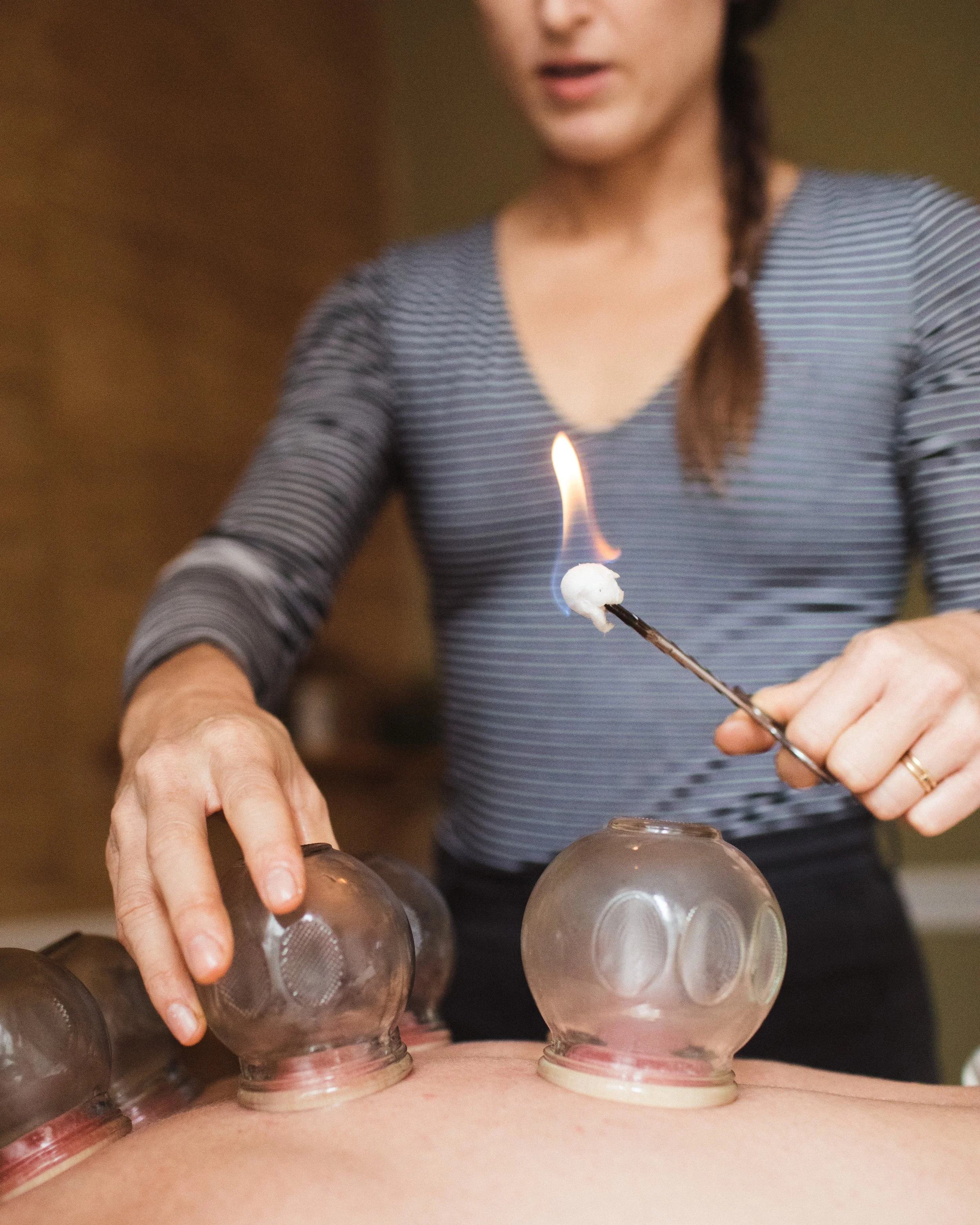
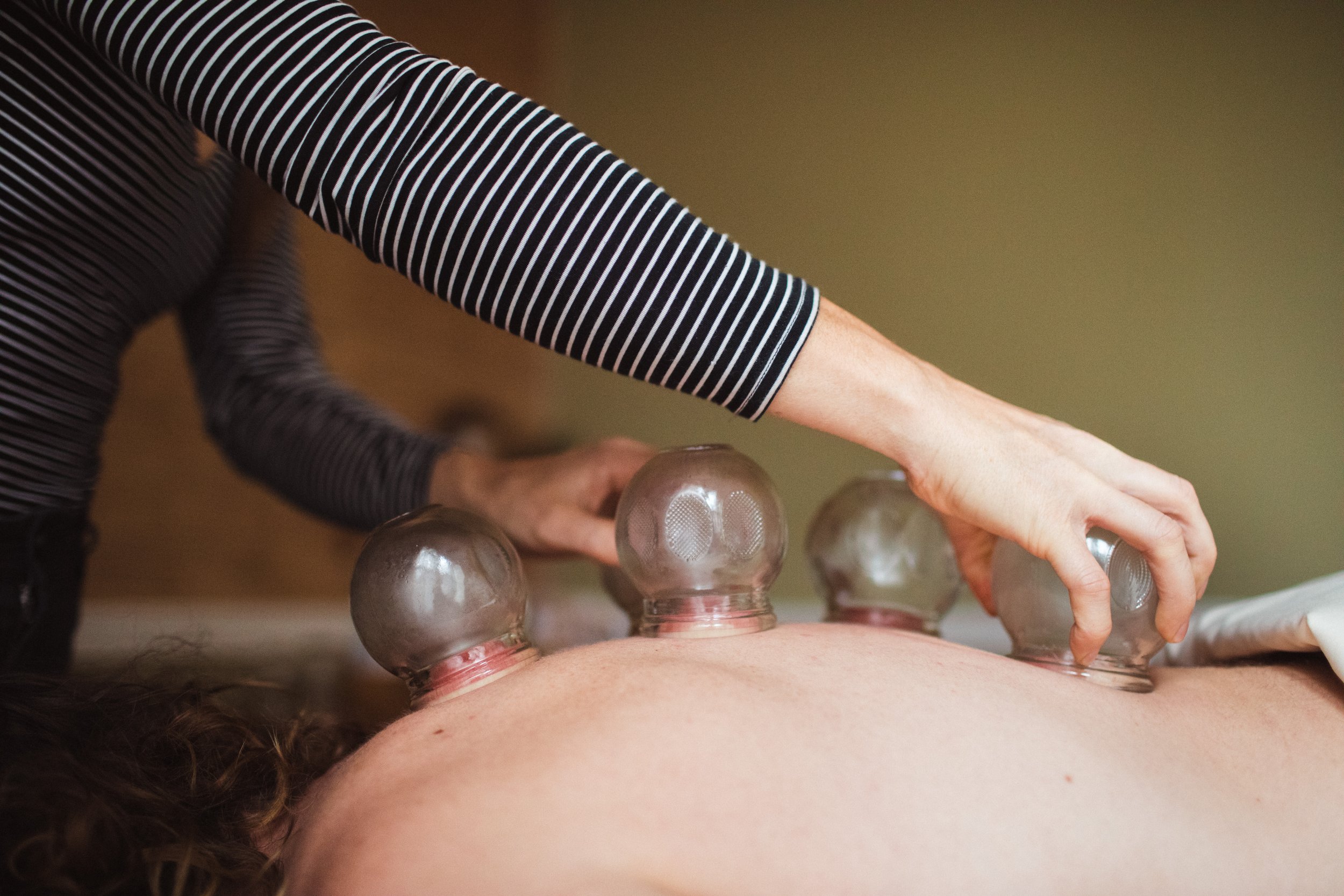
In Traditional Chinese Medicine, pain and illness arise when the smooth flow of Qi and Blood becomes blocked. This stagnation can be caused by injury, emotional stress, cold, or simply the wear and tear of daily life. Cupping works by creating suction over targeted areas of the body to lift and separate the layers of tissue, drawing stagnant Qi and Blood to the surface so it can be dispersed and new, fresh Qi and Blood can flow in.
In TCM, we commonly cup along acupuncture meridians — the energetic pathways that govern the health of our organs and systems. The back, for example, contains the Bladder meridian, which runs alongside the spine and connects to every organ in the body. Cupping along this pathway doesn't just address back pain — it can support digestion, immunity, respiratory health, and more.
—TCM PERSPECTIVE
Clearing wind, heat & blood stagnation
Gua means to scrape or press-stroke, and sha refers to the redness or petechiae that arise. Gua sha has been used in Traditional Chinese Medicine for millennia to address a wide range of conditions — from the acute (a cold that has gone deep into the body) to the chronic (persistent neck and shoulder tension, digestive stagnation, respiratory conditions).
In TCM, gua sha is particularly powerful for releasing what we call "wind-cold" or "wind-heat" that has penetrated the body — the pathogenic factors that often underlie the early stages of illness. It's also a key tool for addressing blood stagnation throughout the body, which manifests as pain, tightness, discoloration, and reduced function. By bringing the sha to the surface, we release the pathogen and invite fresh Qi and Blood to restore the area.
Pain Relief
Chronic and acute back, neck, and shoulder pain, sports injuries, sciatica, and muscle tension respond especially well to cupping.
Respiratory Support
Cupping on the upper back helps open the lungs, clear congestion, and support recovery from colds, flu, asthma, and chronic cough.
Stress & Nervous System
The parasympathetic activation that cupping induces makes it one of the most deeply relaxing treatments available — a reset for a chronically stressed system.
Digestive Health
Abdominal cupping and back cupping along organ-related meridians can support digestion, reduce bloating, and ease IBS symptoms.
Lymphatic Drainage
Sliding cupping along lymphatic pathways encourages the movement of lymph fluid and supports immune function and detoxification.
Skin
Cupping can be used to support skin health by improving blood flow and reducing systemic inflammation.
Gua Sha —
the art of scraping
Neck & Shoulder Pain
One of gua sha's most well-researched applications. Chronic tension, limited range of motion, and tech neck all respond beautifully to targeted treatment.
Immune Support
Used at the first sign of illness, gua sha on the upper back can help the body "push out" a pathogen before it settles in deep — a time-tested TCM cold remedy.
Facial Rejuvenation
Facial gua sha uses lighter pressure to increase circulation, soften tension, drain lymph, and restore a natural glow — all without needles.
Chronic Inflammation
The systemic upregulation of HO-1 makes gua sha uniquely effective for conditions driven by chronic inflammation — from autoimmune disease to chronic pain syndromes.
Scar Tissue
Gua sha breaks up adhesions in and around scar tissue, helping to restore tissue mobility, reduce tightness, and improve the appearance of scars over time.
Liver & Digestive Health
Rib-edge and abdominal gua sha supports liver function, eases digestive tension, and addresses the TCM pattern of Liver Qi stagnation — a root cause of many conditions.
—WESTERN PERSPECTIVE
Decompression therapy & myofascial release
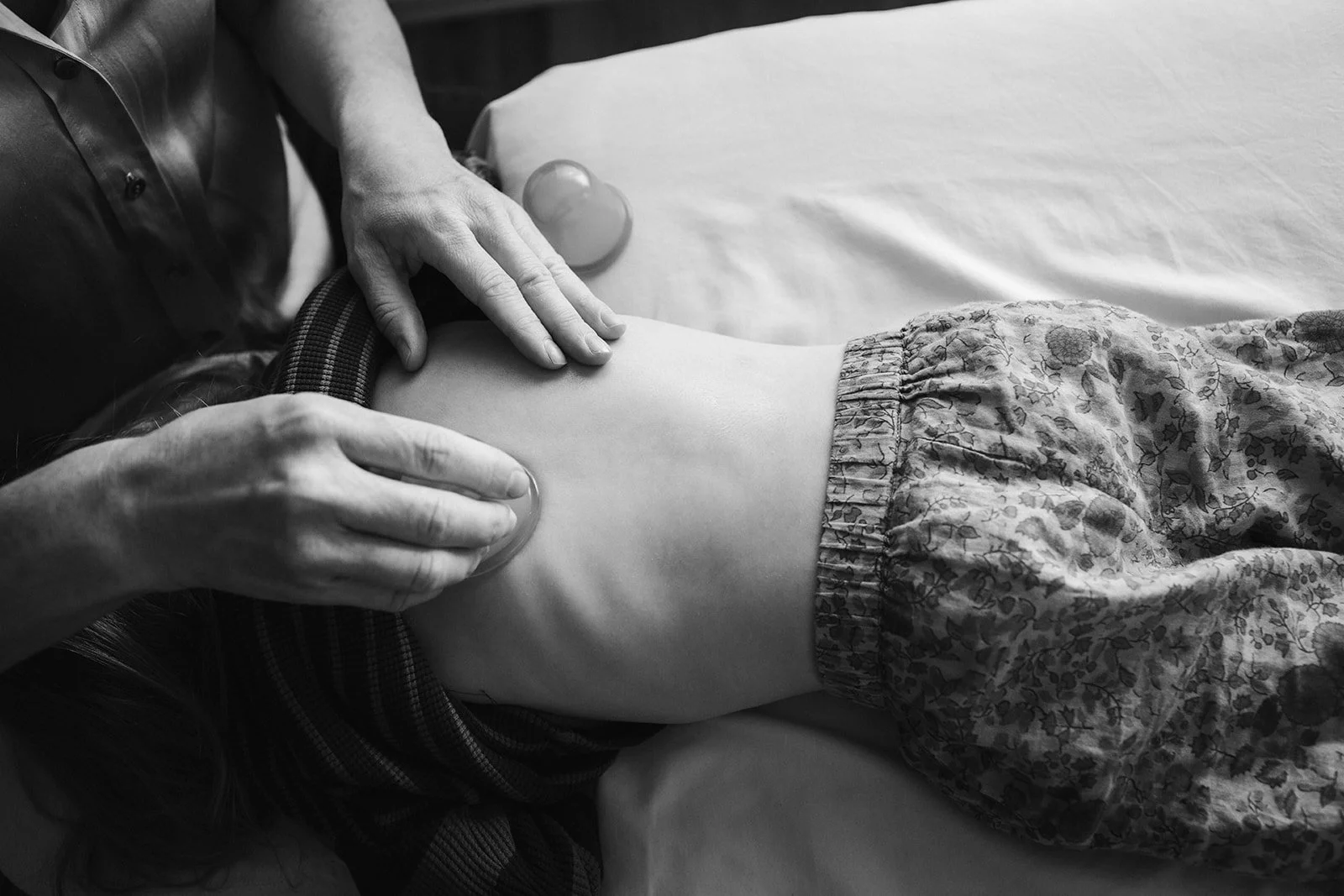
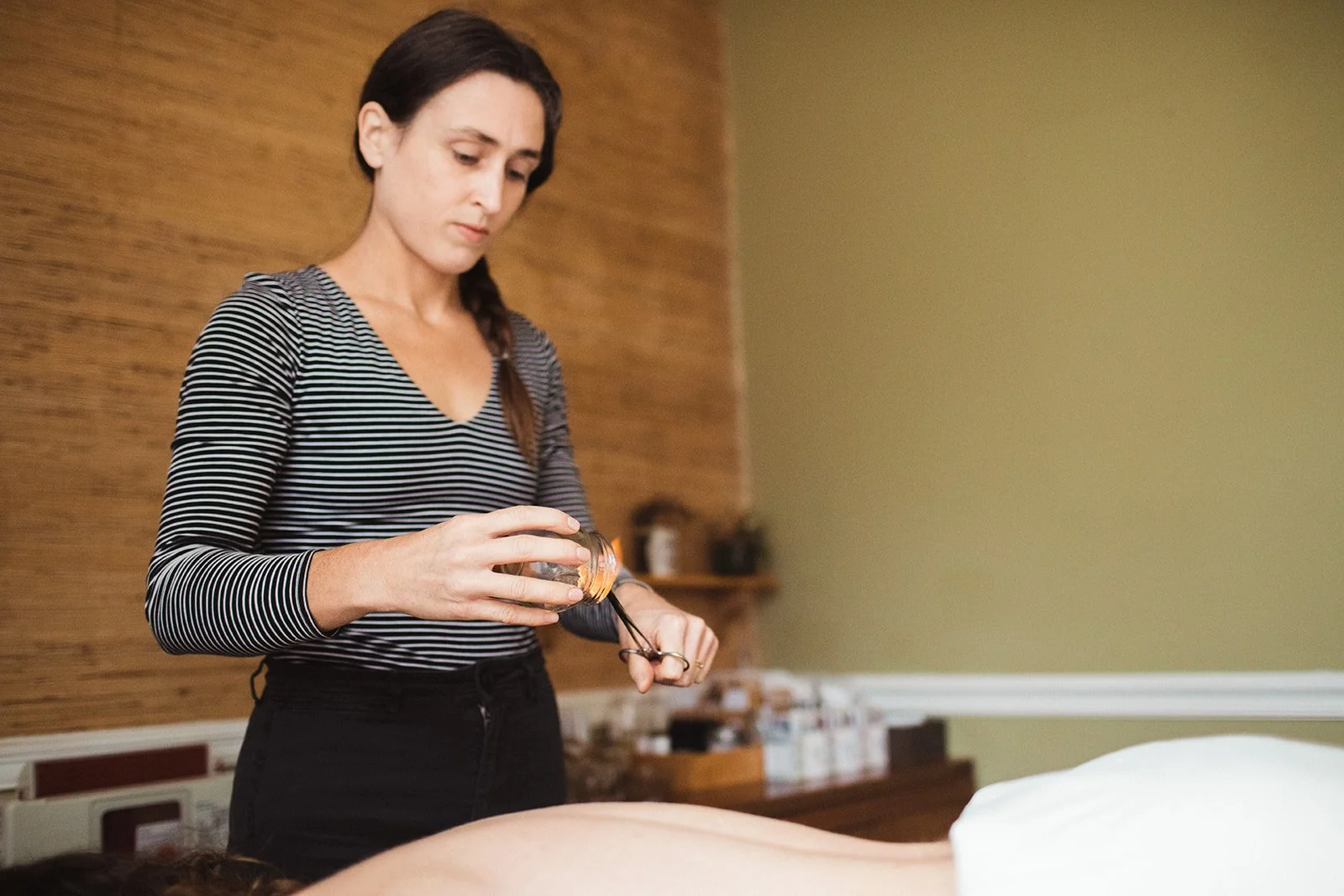
From a biomedical standpoint, cupping creates negative pressure beneath the skin, which decompresses the soft tissue — muscles, fascia, and connective tissue. This is essentially the opposite of massage, which uses compressive force. That decompression has several measurable effects: it draws blood and lymphatic fluid to the area, increases local circulation, stretches and releases tight fascial bands, and stimulates the nervous system to downregulate pain signals.
Research has shown that cupping can increase local blood flow by up to four times. This enhanced circulation brings fresh oxygen and nutrients to the tissue and helps clear out metabolic waste products — the same ones responsible for the soreness and stiffness we feel after overexertion or injury. The marks left by cupping (those famous circles) are not bruises — they are evidence of stagnant blood being drawn to the surface and cleared.
—WESTERN PERSPECTIVE
Myofascial release & anti-inflammatory response
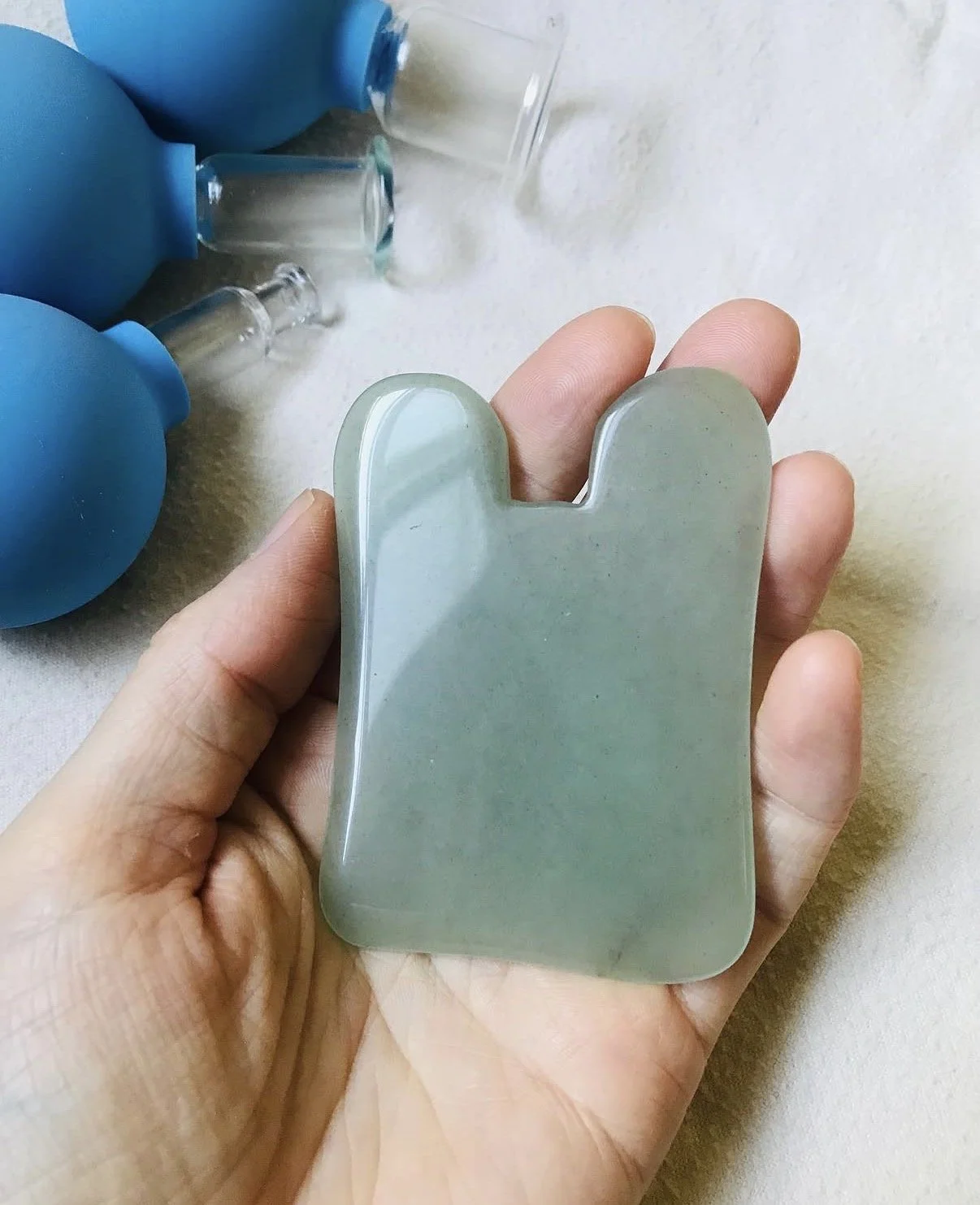
Gua sha uses a smooth-edged tool (traditionally jade or water buffalo horn; today often rose quartz, bian stone, or stainless steel) to apply repeated press-strokes to lubricated skin. This friction breaks apart fascial adhesions, stimulates collagen production, and triggers a cascade of anti-inflammatory processes in the body.
Research by immunologist Dr. Arya Nielsen has shown that gua sha significantly upregulates an enzyme called heme oxygenase-1 (HO-1), which has powerful antioxidant and anti-inflammatory effects throughout the body — not just locally. This helps explain why gua sha on the back can reduce inflammation in the liver, or why neck gua sha can help with a headache. The effects are systemic, not just superficial. Studies have also documented gua sha's ability to reduce chronic pain, improve neck range of motion, and decrease markers of muscle damage.